|

|
Read Online | January 31, 2026 |
How to Protect Yourself When Illness Leaves You at the Will of Others |
|
|
Illustration by The Epoch Times/Getty Images |
|
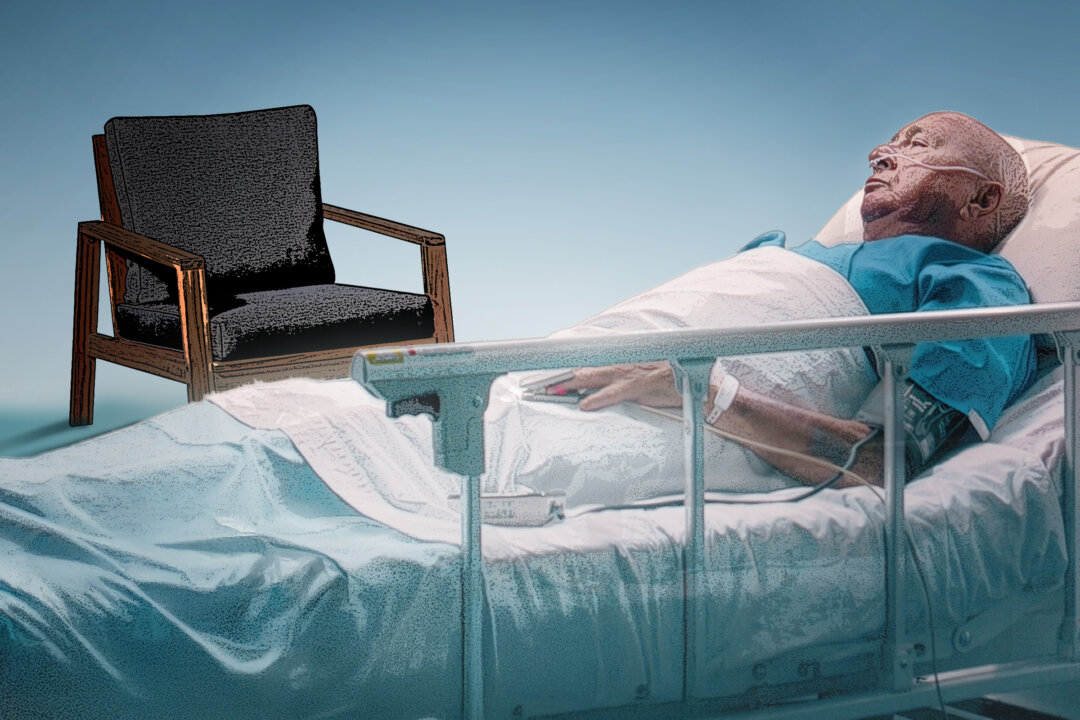
People try to avoid thinking about those final years of life, when illness can leave them helpless.
But ignoring it leaves a terrible risk.
When you are silenced by illness, someone else must speak for you. They will decide whether a new medication is started, a breathing tube is inserted, or treatment is ended. When that person is not named, the hospital decides by default.
This default path carries real weight: pain, side effects, prolonged suffering, mounting costs, and the risk of treatment that overrides what you may have wanted or even violates your deeply held values. |
|
|
☀️ It’s Saturday. Thank you for reading Wellness, a subscriber-only newsletter. |
|

|
Matthew Little Senior Health Editor |
|
I’d like to hear from you - wellness@epochtimes.nyc |
|
🏥 Health News |
HHS Responds to Criticism From Vaccine Companies
|
|
The Department of Health and Human Services (HHS) has responded after executives of top vaccine companies took aim at the Trump administration in the wake of a series of actions on vaccines.
“Vaccine recommendations are based on the best available gold-standard scientific evidence and public health considerations, not corporate interests,” an HHS spokesperson told The Epoch Times in an email on Jan. 28.
“Decisions are made through transparent processes with the sole aim of protecting the health of the American people.”
In addition to narrowing vaccine recommendations and scaling back funding for vaccine research, Health Secretary Robert F. Kennedy Jr. has announced that officials are looking into whether vaccines cause autism. (More) |
|
More Health News:
|
|
😌 Mindset |
|

|
Graphics-Design/Shutterstock |
Bring Harmony to Life by Choosing to Be Calm |
|
Calm is not reserved for when life is easy or flows as we wish.
The moments when calm is most needed—and most difficult to access—are precisely when life is chaotic, when the unexpected happens, when stress arises. It is in these moments that we are tested. Will we become angry, resentful, or unkind? Or will we take a step back, remain calm, and see the situation rationally rather than reacting out of fear or frustration?
|
|
More Mindset
|
|
✍️ Health Viewpoint: What We Spend Our Water On Is What We Worship, by Mollie Engelhart
🍿 Watch: Some scientists are exploring whether dreams might be connected to something far stranger than we ever imagined. Find out why your brain is keeping secrets from you. (Watch on Epoch TV)
🎵 Music: Johannes Brahms–Piano Concerto No. 1 (Listen) |
|
🔬 Premium Article of the Week 👇 |
|
|
Illustration by The Epoch Times, Shutterstock |
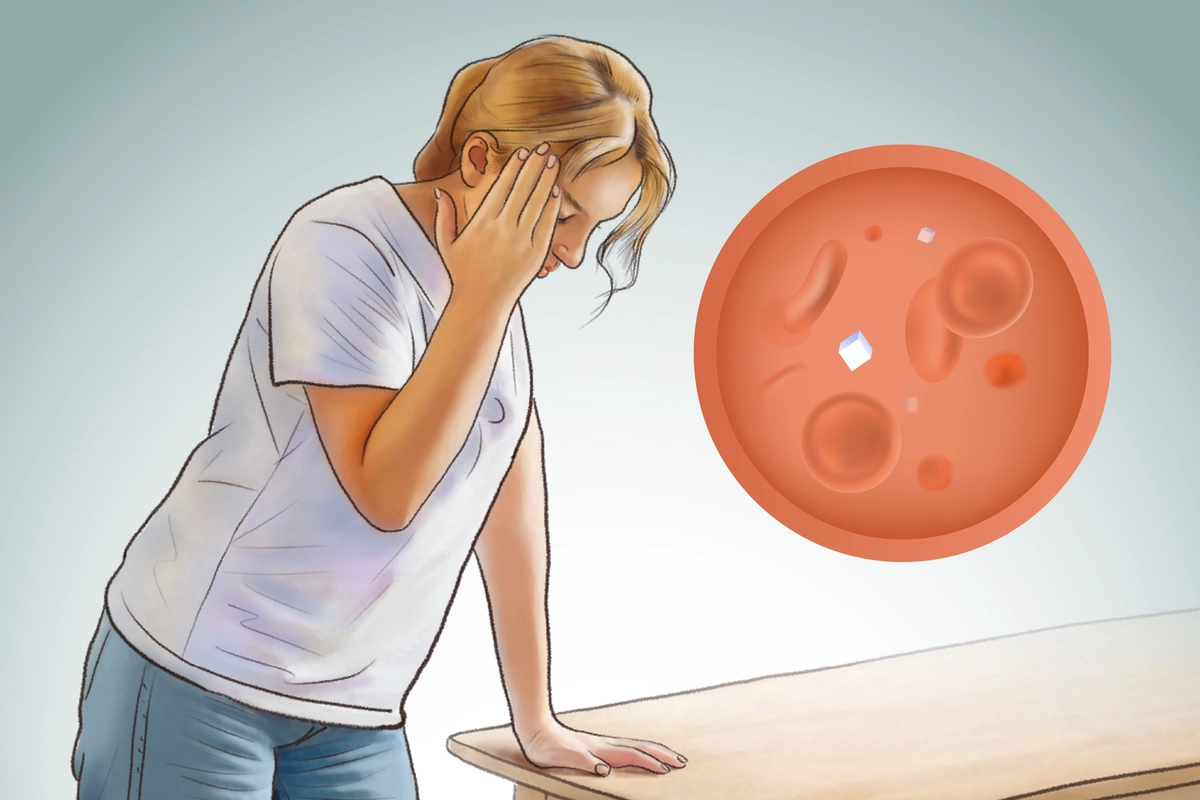
Hypoglycemia: When Blood Sugar Drops Too Low–Here Are the Warning Signs |
|
🍵 Food As Medicine |
|
|
Stockbyte/Getty Images |
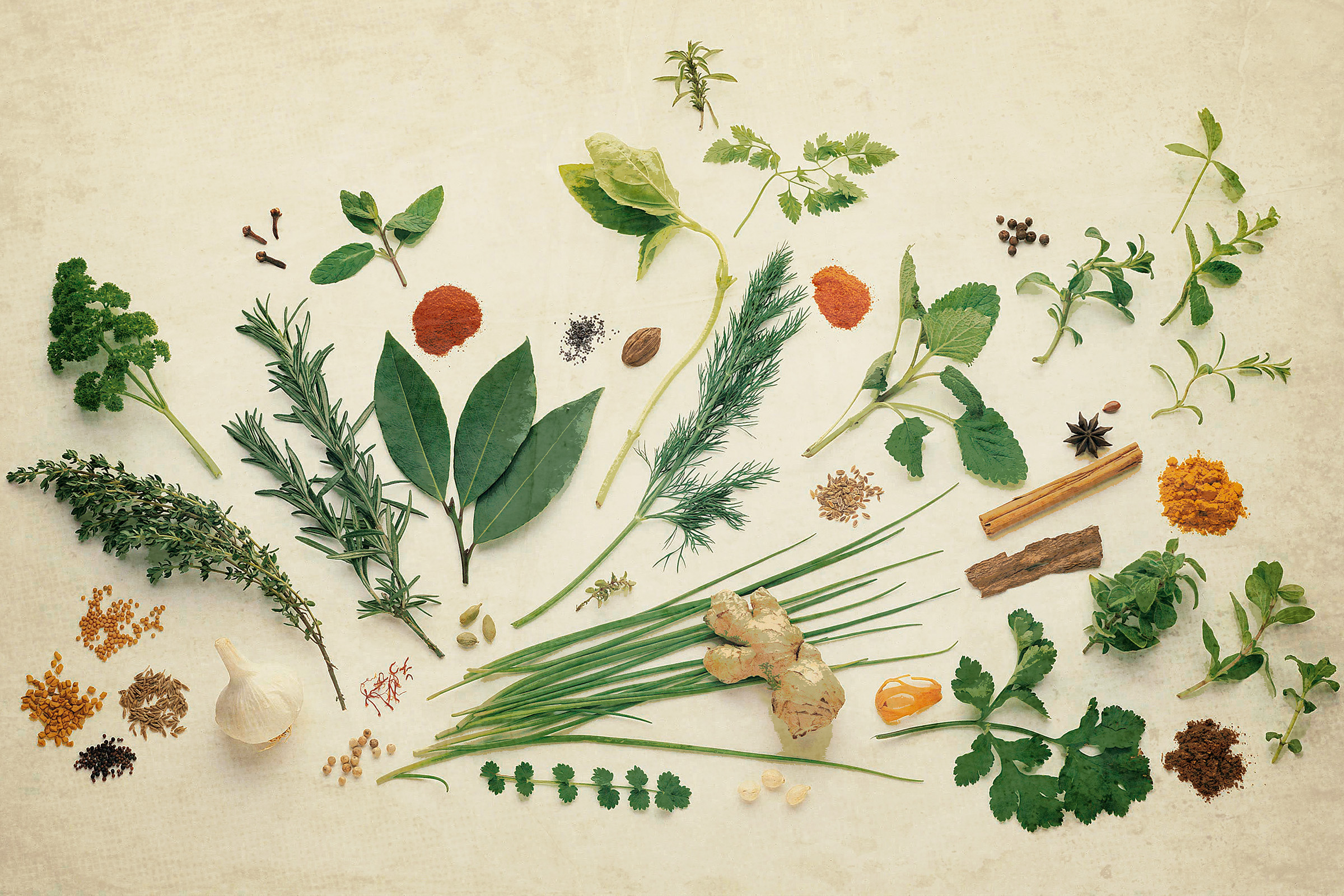
8 Things You Need to Know About Herbs |
|
There are eight fundamental principles expert herbalists say everyone should know before using herbs.
1. Herbs Treat the Person, Not the Disease
Conventional medicine is primarily focused on diseases. By contrast, herbal medicine focuses on our bodily systems, their synergistic interactions, and how they affect the whole person.
Instead of targeting a single symptom, organ, or pathway, herbal medicine supports the body’s innate healing capabilities, restoring balance and equilibrium to the unified whole. Conventional medicine uses a more targeted approach, whereas herbal medicine is broader and more holistic.
2. Herbs Can Be Foods, Medicines, and Poisons
Herbs can affect people—and animals—in one of three ways: as food, medicine, or poison. Food herbs are things that we eat or add to our foods to enhance flavor, add a little heat, or give it a nutritional boost. Medicines, or medicinal herbs, are stronger and should be used with a bit more knowledge and know-how. Herbs classified as poisons should be left to the professionals—those who are trained to use them and understand their toxicity.
3. Herb Dosage and Quality Are Essential
The key to using herbs is choosing appropriate dosages and high-quality herbs, since they are not standardized like pharmaceuticals are. The dosage gap between different herbs can also be surprising. First-timers should start with only one quarter of the recommended dosage to avoid an adverse reaction.
4. Natural Doesn’t Necessarily Mean Safe
People misbelieve that because herbs are natural, they’re safe. Problems with herbs usually arise when they are not properly identified, not dosed correctly, used for too long, of poor quality, or react to medications.
5. Preparation Methods Matter
Herbs can be prepared in a variety of ways, and the method you choose will depend on multiple factors, including the specific herb you are using, the part of the plant it comes from, the condition you are treating, and whether your remedy will be used internally or externally.
7. Polypharmacy Has Become Common
Polypharmacy—taking many medications, supplements, herbs, or over-the-counter products at once—can increase the risk of side effects and drug interactions.
8. Work With a Professional Trained in Herbal Medicine
If you are interested in using herbs to treat medical conditions or are taking medications, ensure you work with a qualified professional. The American Herbalists Guild maintains a comprehensive directory of qualified herbalists so you can find someone to work with in your state. |
|
🧠 Brain Matters |
|
|
Kateryna Kon/Shutterstock |
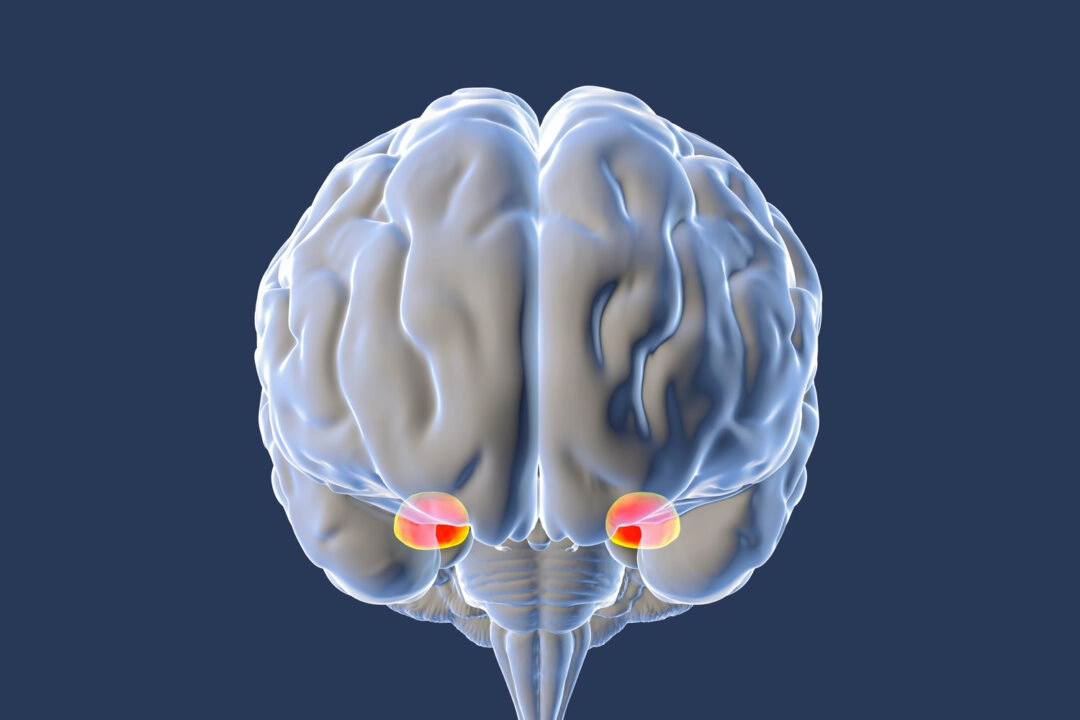
Why Your Brain Overreacts to Fear–and How to Fix It |
|
We’ve all been there: that jolt of panic before a job interview, the knot in your stomach while public speaking, the dread during a difficult conversation. Your heart pounds, your breath turns shallow, and your palms sweat. Your body reacts as if physical danger is imminent, even when it’s not.
This surge of anxiety stems from your brain’s fight-or-flight response. It is designed to protect us from threats, but modern life sets it off every time we get stuck in traffic or think our coworker is upset with us. When activated repeatedly, it can fuel high blood pressure, weakened immunity, anxiety disorders, and burnout.
Getting the fight-or-flight response properly tuned requires a counterintuitive solution. Neuroscience suggests that we need to expose ourselves to what unsettles us. |
|
Thank you for reading 🙏
Have a wonderful day!
|
|
|
|
Copyright © 2026 The Epoch Times, All rights reserved. Our mailing address is: The Epoch Times. 129 West 29th Street, Fl 8, New York, NY 10001 | Contact Us
|