| When Valentine’s Day rolls around, it can spark questions about the state of romance in modern life. Is it fading due to the surge of dating apps, digital communication, and shifting social norms? But concerns about romance are far from new—and, when seen through the lens of history and literature, love is very much alive.
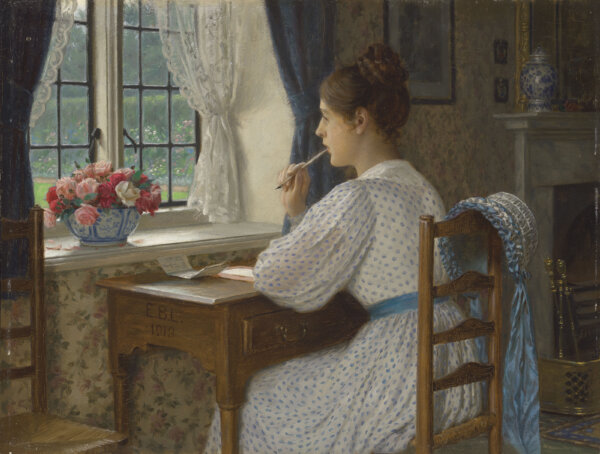
The story begins in 1477, with Margery Brews’s famous Valentine to her fiancé, John Paston. Her father opposed their marriage, yet with her mother’s diplomatic intervention, the couple triumphed. Their letters are the earliest surviving English valentines.
Over the years, romance has adapted alongside societal changes. Just like how today's technological shifts have changed dating, urbanization and the rise of automobiles also altered courtship rituals in the early 20th century. Yet the impulse toward connection, passion, and shared intimacy is the same, whether expressed in private letters, carefully crafted gestures, or public celebrations of Valentine’s Day.
Literature testifies to this continuity. From the ancient love poems of Egypt to the erotic poetry of the Bible, Catullus’s and Virgil’s tales of desire and heartbreak, and Shakespeare’s cautionary yet enchanting plays, authors have explored the triumphs and disasters of the heart for millennia.
In that regard, the novels of Jane Austen, Emily Brontë, and Margaret Mitchell go hand in hand with the modern romance novels and films beloved by millions. Even fairy tales, often criticized for their stereotypes, underscore the enduring appeal of love’s drama and delight.
Romance isn't dead. It evolves, it surprises, and it persists—piercing hearts in ways both timeless and new. Valentine’s Day, with all its customs, is a celebration of this enduring human experience, proving that love, in its many forms, continues to shape lives and literature alike.
|