|

|
Read Online | January 10, 2026 |
How Emotions Fuel Autoimmune Disease, and What You Can Do |
|

|
(Maskot/Getty Images) |
|
Our emotions play a key role in how our immune systems function and, in some cases, determine whether this coordinated defense system attacks our own cells, leading to autoimmune symptoms.
Research suggests that chronic stress, trauma, and unprocessed emotions can trigger autoimmune diseases by overstimulating the immune system.
|
|
|
☀️ It’s Saturday. Thank you for reading Wellness, a subscriber-only newsletter. |
|

|
Matthew Little Senior Health Editor |
|
I’d like to hear from you - wellness@epochtimes.nyc |
|
🏥 Health News |
Judge Lets Lawsuit Against RFK Jr., CDC Proceed
|
|
A federal judge will allow the American Academy of Pediatrics and the other plaintiffs to sue Health Secretary Robert F. Kennedy Jr. and the Centers for Disease Control and Prevention for not recommending COVID-19 vaccines for healthy children and pregnant women.
Plaintiffs, who are tied to vaccine manufacturers, said that Kennedy’s directive was arbitrary and capricious in violation of federal law, in part because it allegedly went against “the wealth of data and peer-reviewed studies that demonstrate the safety and efficacy of Covid vaccines for children and pregnant women,” and because Kennedy did not consult the Advisory Committee on Immunization Practices, a panel that advises the CDC on vaccines.
Doctor plaintiffs said that they were being forced to spend time outlining various factors for people seeking COVID-19 vaccines, and that if the people ultimately chose not to receive a shot, insurers would not reimburse the doctors for their time. (More) |
|
More Health News:
|
|
🏥 Health Care |
|

|
(Illustration by The Epoch Times) |
What to Know Before Saying Yes to Routine Screenings |
|
Donna Pinto didn’t give her fourth mammogram screening much thought. Like a dental cleaning, it was routine—but this time, she received a callback. Within weeks, she was being scanned, biopsied, and advised to consider surgery. There was one problem: She wasn’t sure she was sick.
Pinto’s experience highlights a problem that screening cannot always solve. Tests designed for people without symptoms are good at finding abnormalities, but far less reliable at predicting which ones will cause harm. In cancer screening, that uncertainty often pushes patients into a fast-moving chain of follow-up care—sometimes for conditions that might never have affected their health at all.
|
|
☀️ A Few Good Things |
|
|
🔬 Premium Article of the Week 👇 |
|
|
Illustration by The Epoch Times, Shutterstock |
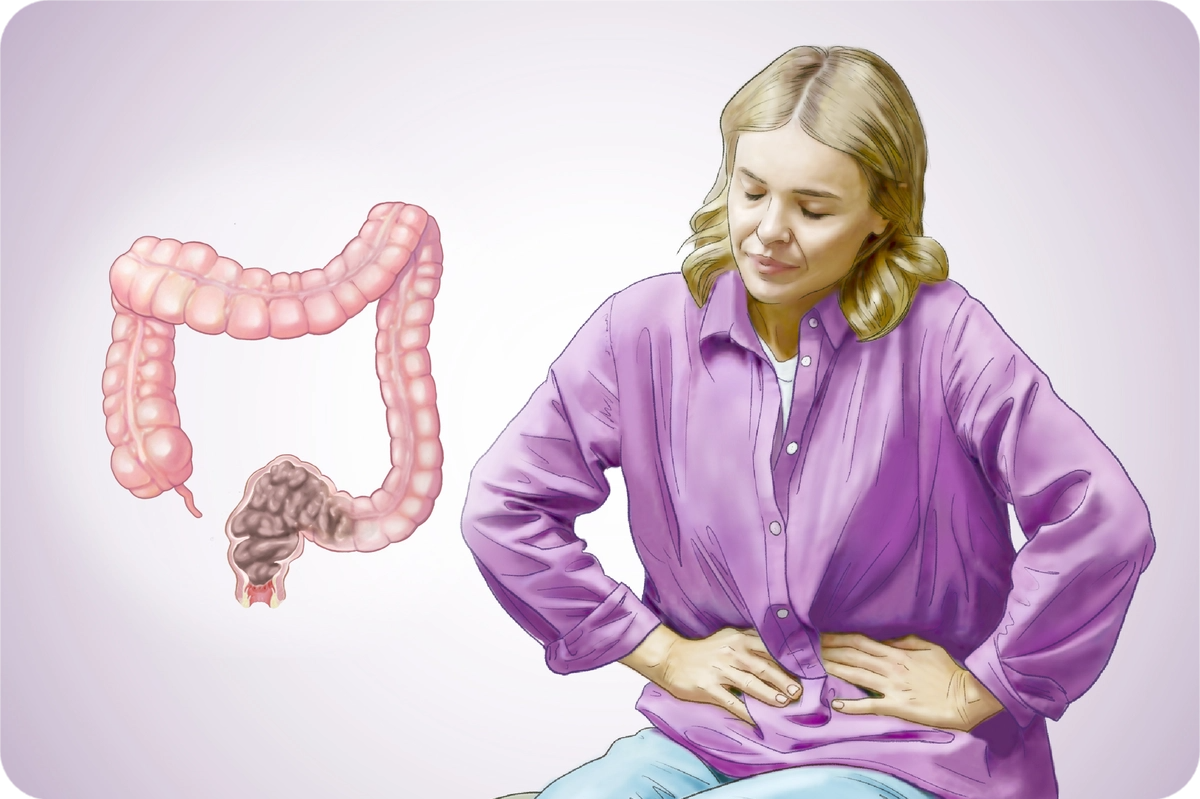
Constipation: Why Nearly Everyone Has It at Some Point and How to Relieve It |
|
🍵 Food & Nutrition |
|
|
Illustration by The Epoch Times, RealFood.gov |
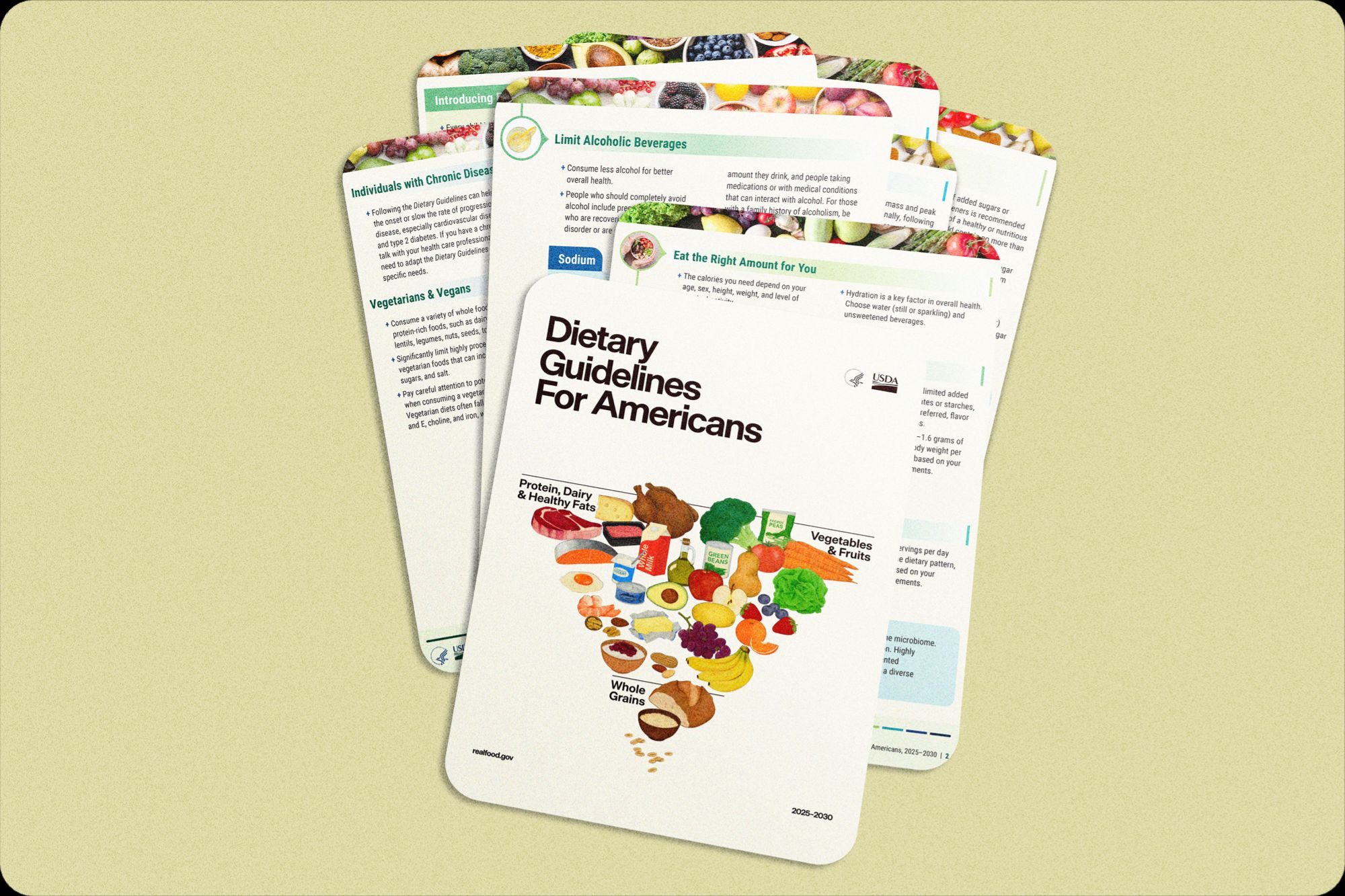
USDA Delivers New Dietary Guidelines for Americans |
|
The new Dietary Guidelines for Americans encourage people to eat more animal proteins and put a clear focus on eating real, whole foods.
1. Avoid Highly Processed Foods
Among the most significant changes are a direct call to limit or avoid highly processed foods. While previous guidelines warned of processed meats, they did not single out highly processed foods.
2. Eat More Protein, Especially From Animals
The new guidelines suggest a 60 percent to 120 percent increase in recommended protein intake and place particular emphasis on animal proteins over plant proteins.
3. Recommendations on Fat
While the new guidelines keep the previous recommendations of a saturated fat limit at less than 10 percent, they recommend eating full-fat dairy as opposed to low-fat, and also list butter and beef tallow as potential cooking options.
4. First Time Not Recommending Seed Oils
|
|
Thank you for reading 🙏
Have a wonderful day!
|
|
|
|
Copyright © 2026 The Epoch Times, All rights reserved. Our mailing address is: The Epoch Times. 129 West 29th Street, Fl 8, New York, NY 10001 | Contact Us
|