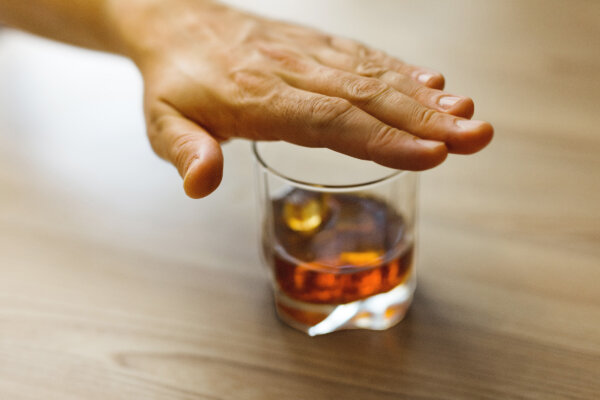
Happy Tuesday! Today, we'll discuss a major study challenging long-held beliefs about alcohol, and five sleep patterns linked to different effects on the brain.
Let’s get started! |
| |
| |
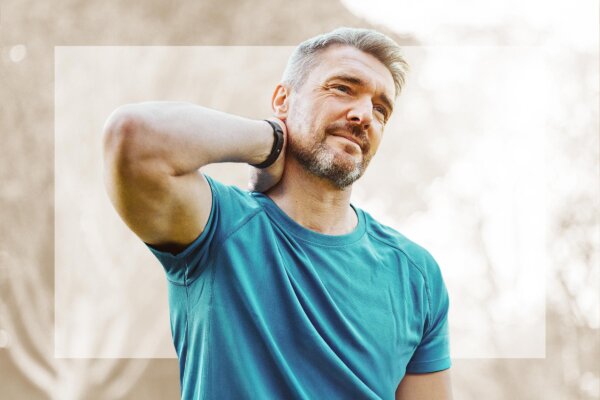
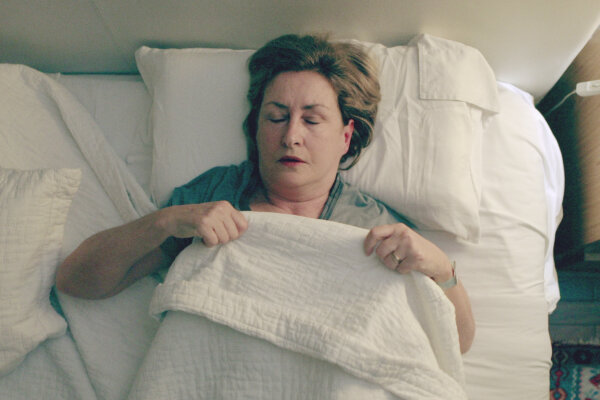 | | 5 Sleep Patterns Linked to Different Brain Effects | | Having poor sleep is common, but how it feels for every person is different. Some may lie awake ruminating at 3 a.m., while others wake up repeatedly throughout the night.
Recent research suggests these aren’t just variations of “bad sleep”—they are distinct profiles, each leaving a different signature on the brain and body. | | | |
| |
| |
Today's Top Stories
|
| |
| |
| |
| |
| |
WORDS OF WISDOM
The nation which can prefer disgrace to danger is prepared for a master and deserves one. | | – Alexander Hamilton – | |
| |
Healthy Living
|
| |
| |
| |
| |
Workout of the Day
|
| |
| |
| |
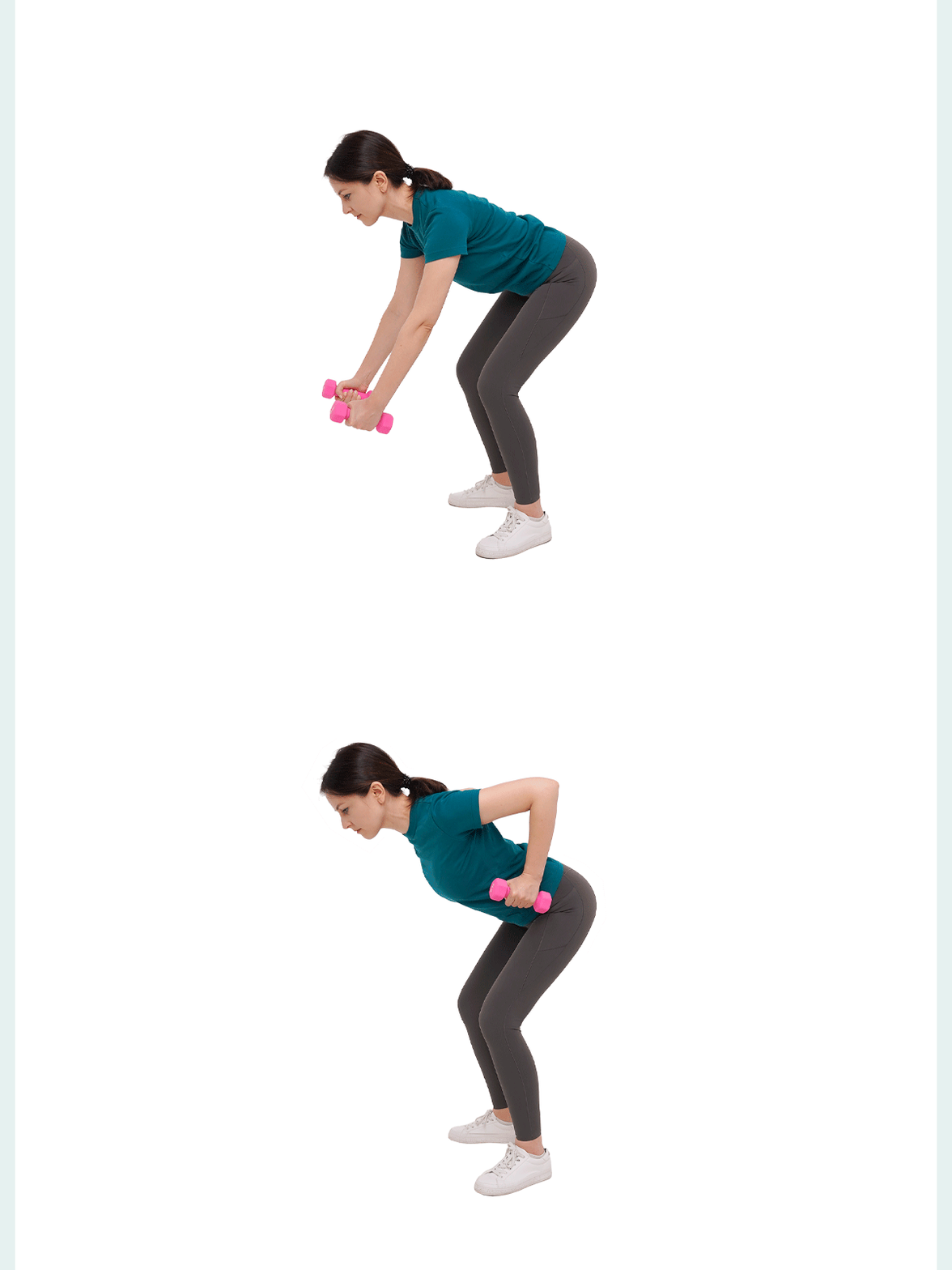
| Bent-Over Row | The bent-over row is a great exercise for the upper back while also increasing lower back strength. Those with osteoporosis can safely perform it because it uses a hinging movement at the hips.
Step 1: Start in a standing position with your arms straight down while holding onto dumbbells or cans.
Step 2: Bend your hips forward at approximately 90 degrees with your knees slightly bent to relieve stress on your lower back.
Step 3: Slowly pull the weights straight up, then slowly lower them back down.
Step 4: This counts as 1 repetition. Try to perform 3 sets of 12 repetitions, adjusting the weight and number of repetitions as needed.
Alternatively, you can perform this exercise one arm at a time. If you find it somewhat stressful on your back, brace yourself on a chair or counter with your other arm. | | Explore More Fitness |
| |
Worth a Look
| | | | | | Contributed by Gan Jing World | | | Exercise Your Brain
| | | | | | | | | |
The information in this newsletter is not intended to replace a one-on-one relationship with a qualified healthcare professional and is not intended as medical advice, diagnosis, or treatment. It is intended as a sharing of knowledge and information from the research and experience of many experts and journalists. The Epoch Times encourages you to make your own healthcare decisions based upon your research and in partnership with a qualified healthcare professional.
* When sharing an article, giftaccess@TheEpochTimes.com is added to the list of recipients. If your friend is not already a subscriber, we will send them a special link for free access to the article.
Our Rise & Shine newsletter is one of the best ways to receive vital health news and information. Manage your email preferences here or unsubscribe from Rise & Shine here. | | | Copyright © 2025 The Epoch Times, All rights reserved. | | | The Epoch Times. 229 W. 28 St. Fl. 7 New York, NY 10001 | Contact Us | | |