The chain reaction strength training sets off

|
|
|
| Ivan Pentchoukov
National Editor |
|
|
| Ivan Pentchoukov
National Editor |
|
|
Good morning. It’s Saturday! Here are today’s top stories. |
-
As urban America flirts with socialism, many of our South American neighbors are now going in the opposite direction: shrinking government, opening markets, balancing budgets, and prioritizing growth and stability. Much of South America is now experiencing stronger growth. The question is whether the benefits come quickly enough to outrun politics.
- Chinese leader Xi Jinping departed the United States on Sept. 25 after a three-day state visit that included White House talks with President Donald Trump, an elaborate military welcome, and a state dinner, but the summit has produced few publicly announced new agreements. Here are the takeaways from the summit.
- New York and New Jersey declared states of emergency as the region prepared for a Nor’easter storm to bring flooding and power outages to residents in the Mid-Atlantic states through the weekend.
-
The Supreme Court ruled against Republicans seeking to use Missouri’s 2025 congressional map in the Nov. 3 midterm elections, the same map lines that were used in the Aug. 4 primaries. The court also cleared the Trump administration to use an updated immigration database to verify the citizenship of voters.
- 🍵 Health: Delve into the surprising science of an all-meat diet.
|
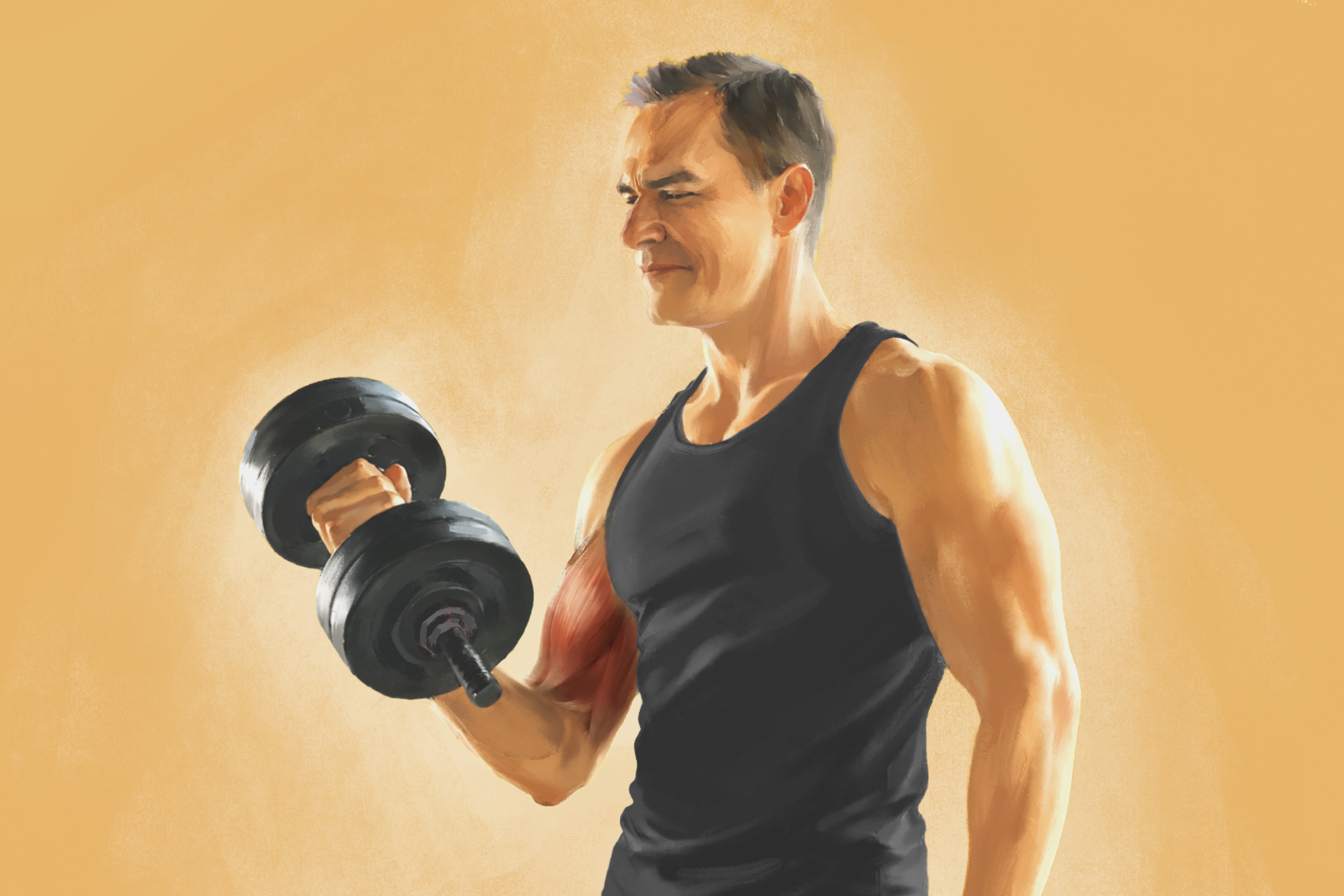
(Illustration by Ran/The Epoch Times) |
With age muscle mass declines, metabolism slows, and gaining body fat becomes easier. By age 80, people may have lost one-third to one-half of their skeletal muscle mass and function.
Enter strength training. More than just tiring your muscles, it sets off a chain reaction across your nervous, muscular, energy, and hormonal systems. Our health reporter Mercura Wang spoke to experts who explained what happens to your body, the benefits, and how to start.
|
|
|
The Kind of Publication You’ve Been Waiting For |
In a world where partisan and biased reporting has become commonplace, you can always count on The Epoch Times for a refreshing dose of factual, honest journalism without spin. When you don’t feel like reading the news, pick up a daily tip from us. From what walking barefoot does to your body to why science says the 30-gram protein rule is wrong, our health coverage is deep and extensive. You will find your kind of healthy changes to make right away. Yet what makes you truly love The Epoch Times may be none of the above. It is our talks on art, culture, and history that move hearts. At nighttime or on an indolent Sunday afternoon, find yourself indulging in a fascinating read on stories you have been longing for: a remedy for the decline of modern gentleman; the song that captured Dolly Parton’s life; what Disney left out of ‘Snow White’… The list is endless. The inspiration is infinite.
With the Mid-Autumn Offer, explore our entire treasure trove of content as much as you like for six months with just $0.25 a week.
|
|
|
|
As urban America flirts with socialism, many of our South American neighbors are now going in the opposite direction: shrinking government, opening markets, balancing budgets, and prioritizing growth and stability.
South America’s political map looks considerably different from what it was only a few years ago, now that Argentina, Ecuador, Paraguay, Chile, Bolivia, Peru, and Colombia are governed by conservative leaders. And the market-oriented reforms they have put in place have yielded positive results to date, delivering economic stability and growth.
In Argentina, libertarian Javier Milei won the presidential election in 2023, campaigning on radical reductions in government spending and deregulation. In Paraguay, Santiago Peña was elected in 2023, pledging socially conservative politics and market-oriented reforms.
In 2025, José Antonio Kast became president of Chile, pledging economic liberalization and a crackdown on crime. Rodrigo Paz became president of Bolivia that year, ending two decades of socialist rule.
And in June of this year, Keiko Fujimori’s right-leaning Fuerza Popular won the presidency in Peru, pledging economic stability and security. Simultaneously, Abelardo de la Espriella, a conservative nationalist who campaigned on reducing government, reviving economic growth, and fighting drug cartels, took the reins in Colombia.
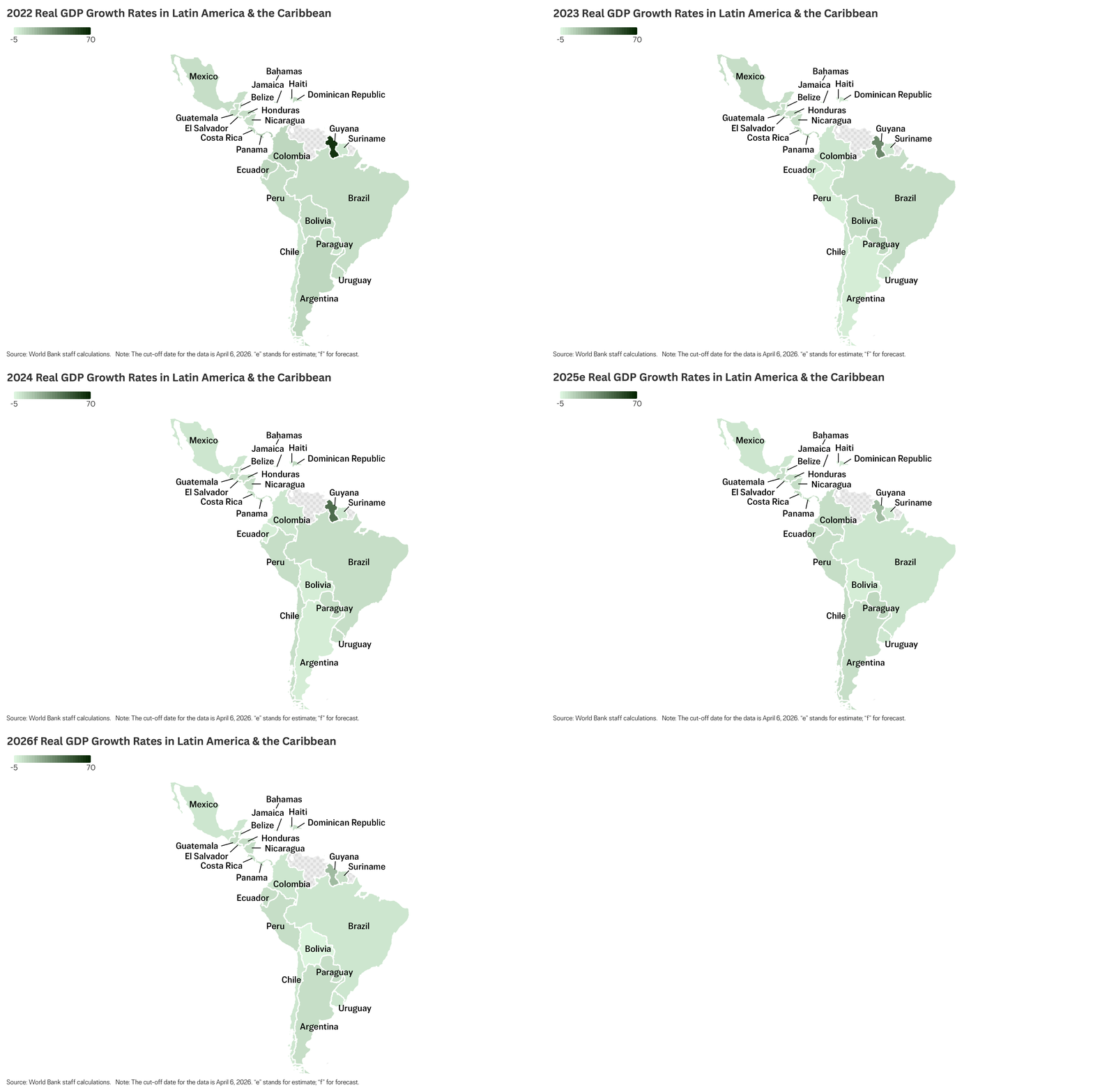
To date, the economic results of these reforms have been promising. According to World Bank data, much of South America is now experiencing stronger growth and a more positive economic outlook than many Western countries. Paraguay’s gross domestic product is projected to grow by 4.4 percent this year. Argentina is projected to grow 3.6 percent, following growth of more than 4 percent in 2025.
Peru, Colombia, Chile, and Ecuador are all seeing projected growth above 2 percent this year, in line with expectations of 2.2 percent GDP growth for the United States and well ahead of the 1.1 percent average GDP growth rate within the European Union. (More) |
|
|
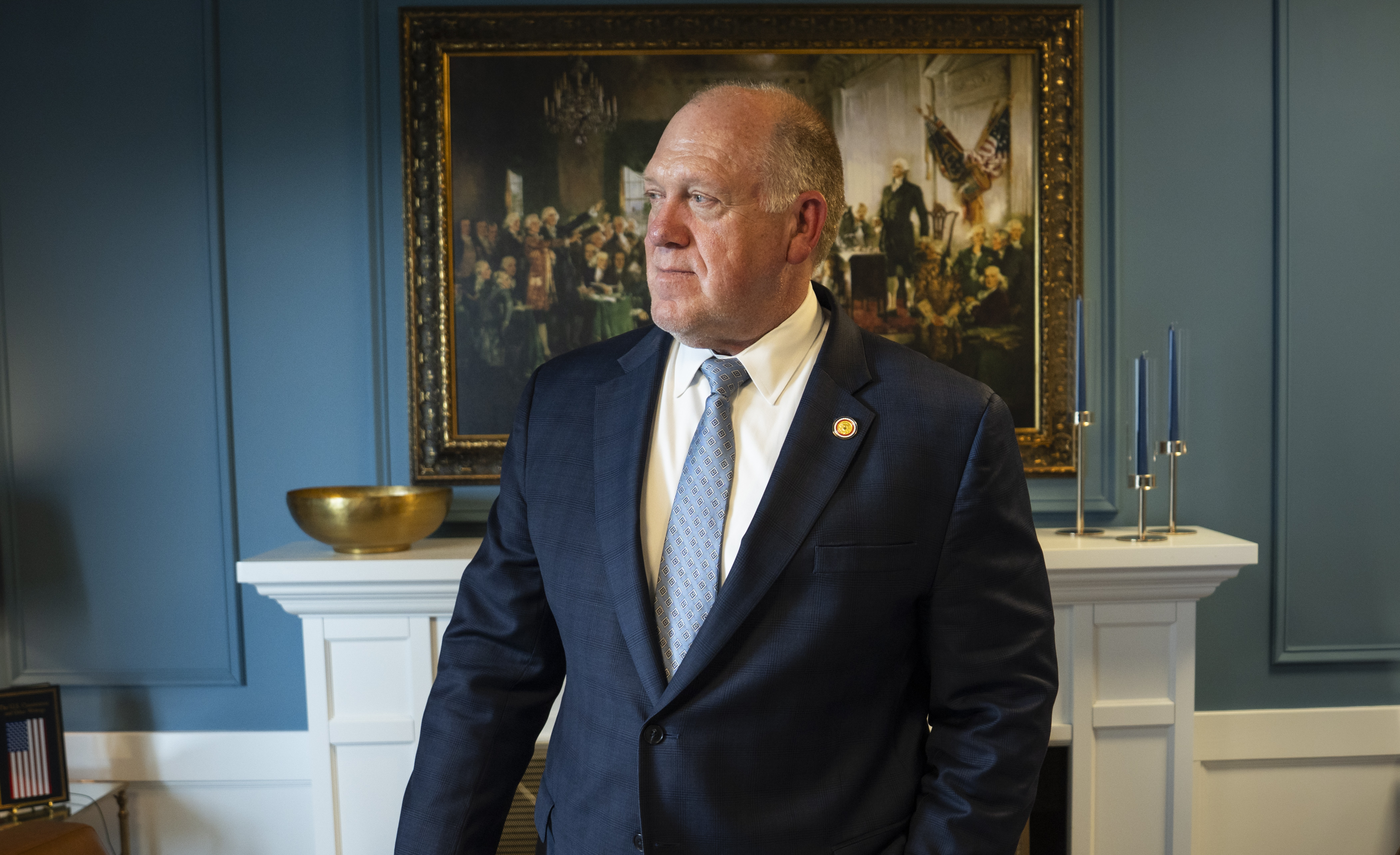
White House border czar Tom Homan after an interview with "American Thought Leaders" in Washington on Sept. 24, 2026. (Madalina Kilroy/The Epoch Times) |
-
Around 157,000 children who crossed the border as unaccompanied minors have been found since the start of the Trump administration, while many are still missing, White House border czar Tom Homan told The Epoch Times.
-
Federal health officials are recommending that all adults, regardless of health, and many children receive a COVID-19 vaccine in the coming months, after a judge blocked narrower recommendations.
-
As Chinese leader Xi Jinping made his first state visit to the United States in a decade, a bipartisan group of U.S. senators introduced a resolution to remind Americans of the countless lives lost at the hands of China’s communist regime.
-
A federal appeals court on Sept. 25 upheld the Pentagon’s designation of Anthropic as a supply-chain risk, rejecting the artificial intelligence company’s claims that the label exceeded the law and punished protected speech.
-
TrumpRx met the goal of most-favored-nation drug pricing for American consumers on about half of the brand-name drug prices analyzed in a Sept. 24 study. For 17 of the 32 drugs, the TrumpRx price was lower than the average listed price in peer nations. Prices for the other 15 drugs exceeded the peer countries’ average.
|
New Jersey Lt. Gov. Dale Caldwell attends the Montclair Film's Visionary Tribute Event at Joe's Pub in New York City on June 10, 2026. (Santiago Felipe/Getty Images) |
- New Jersey Gov. Mikie Sherrill on Friday announced Lt. Gov. Dale Caldwell resigned from his position amid allegations in an ethics report that claimed he violated state sexual harassment policies.
-
U.S. mortgage rates crossed the 7 percent mark for the first time since January 2025 this week, a key psychological level for prospective homebuyers and homeowners alike.
-
The California Supreme Court ruled unanimously that Riverside County Sheriff Chad Bianco illegally seized more than half a million voted ballots from a special election last year that approved a redistricting ballot question.
-
Florida officials said that 20 people have been charged with voter fraud.
|
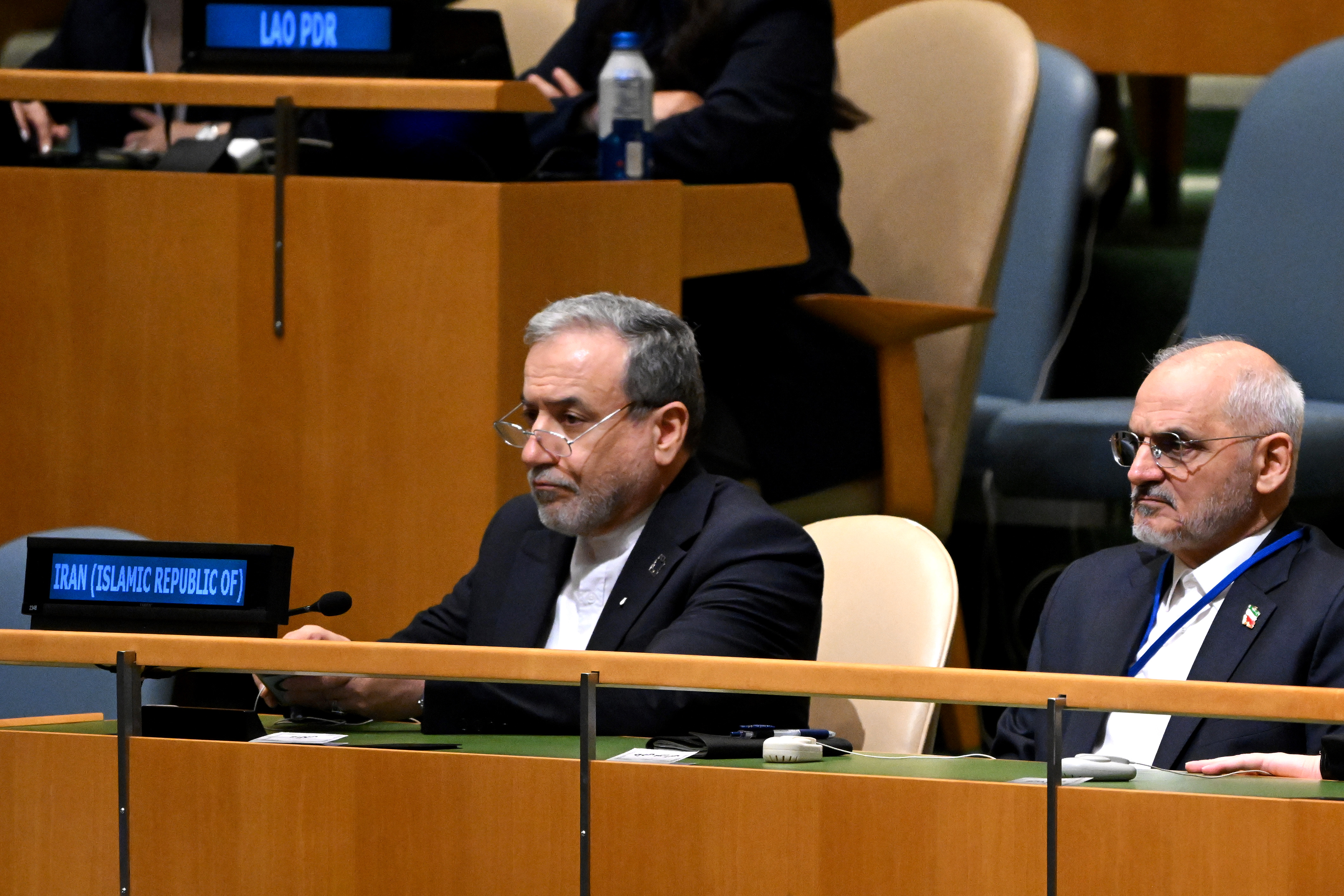
Iran Foreign Minister Abbas Araghchi (L) looks on during the 81st session of the United Nations (U.N.) General Assembly at U.N. Headquarters in New York City on Sept. 23, 2026. (Alexi J. Rosenfeld/Getty Images) |
- Tehran proposed a seven-day plan to U.S. mediators this week that would restart nuclear talks and reopen the Strait of Hormuz under certain conditions, according to Iran’s foreign minister.
-
Ukrainian President Volodymyr Zelenskyy said on Friday that the Trump administration would allow Ukraine to manufacture Patriot missiles, which Kyiv has been suggesting for months amid the ongoing war with Russia.
-
Here’s what we know about the U.S. national security deal with Greenland and Denmark.
-
The Italian cabinet has approved a decree banning face coverings such as burqas and niqabs during school activities and limiting the share of foreign students with limited Italian-language skills in first-year classes to 30 percent.
-
Belarus has freed 15 more prisoners, following the release of dozens last week as a result of ongoing talks between U.S. envoy John Coale and Minsk.
-
Nigeria and the United States signed an agreement on the sidelines of the U.N. General Assembly on Sept. 24 to deepen American investment in Nigeria’s $700 billion mining sector, the West African country’s minerals minister, Dele Alake, announced.
|
- The Beauty of Savannah—by James Bryson (Read)
-
The Art of the Timing: Why Trump Is Sitting Down With Xi Now—by Gina Loudon (Read)
- Understanding the Yield Curve—by Jeffrey A. Tucker (Read)
-
When Did Americans Stop Owning Screwdrivers?—by Mollie Engelhart (Read)
- Un-Gifted and Talented—by John Stossel (Read)
|
Why choose between a strawberry daiquiri and a piña colada? The Miami Vice gives you both, layering a tart strawberry daiquiri over a thick and creamy piña colada in one glass. Made with frozen fruit instead of ice, this slushy cocktail stays cold and flavorful without diluting the rum. It comes together in just 12 minutes in a blender. |
|
|
“Human greatness does not lie in wealth or power, but in character and goodness.” |
|
|
|
🚨 If you enjoyed Morning Brief, subscribe today to get access to everything we have to offer, and support more great stories like this one. You'll get daily news and analysis, health insights, original documentaries, interviews with interesting people, lifestyle advice, delicious recipes, and much more. |
— Simon Veazey, Ivan Pentchoukov, Madalina Hubert, and Kenzi Li |
|
|
Copyright © 2026 The Epoch Times, All rights reserved.
Our mailing address is: The Epoch Times, 129 West 29th Street, Fl 8, New York, NY 10001 | Contact Us
Our Morning Brief newsletter is one of the best ways to catch up with the news. Manage your email preferences here or unsubscribe from Morning Brief here.
|
|
|
|