|

|
Read Online | January 17, 2026 |
The Simple Depression Treatment We Don’t Prescribe |
|
|
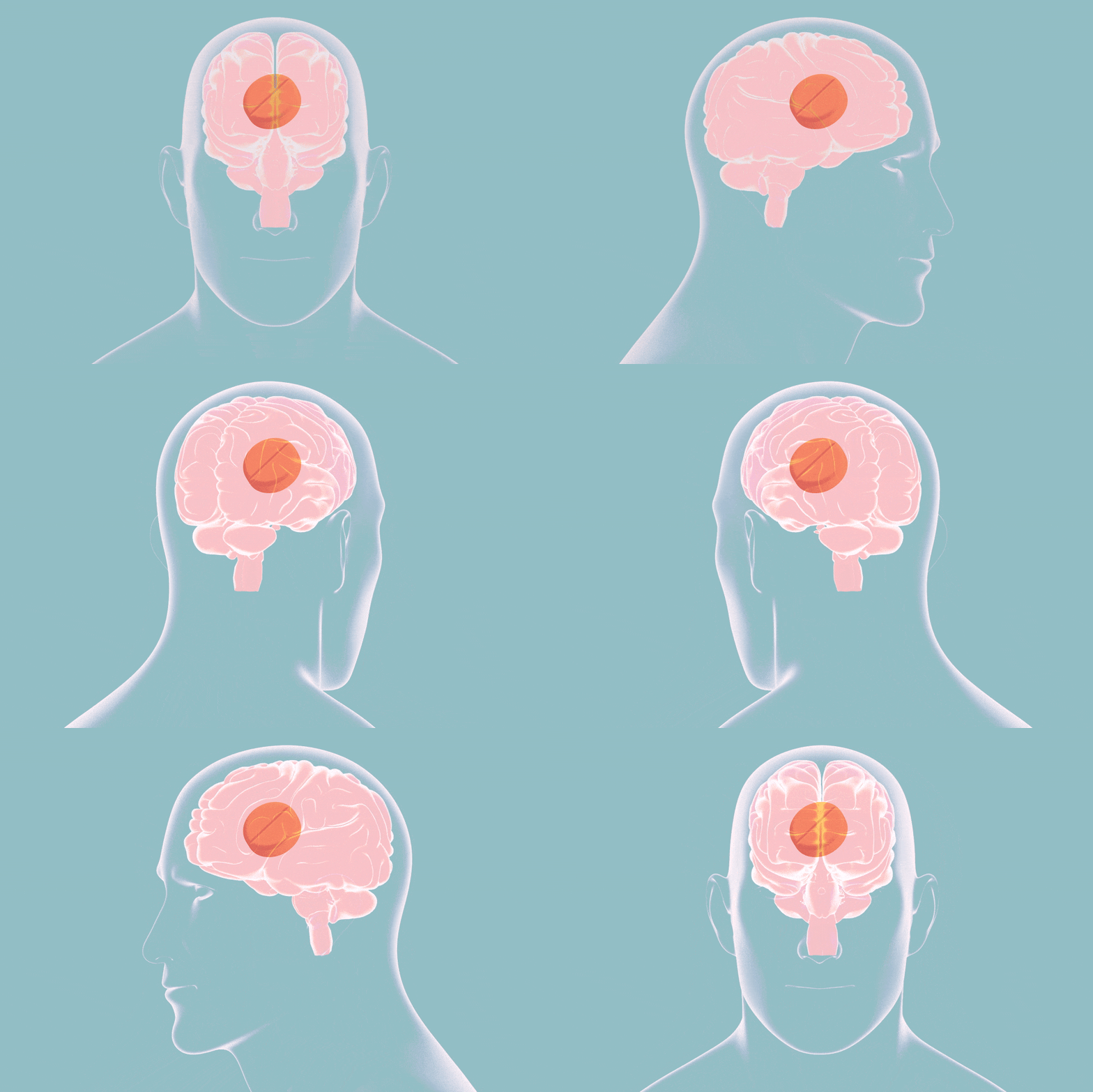
(Illustration by The Epoch Times, Shutterstock, Getty Images) |
|
The psychiatrist reaches for his prescription pad—not to prescribe an antidepressant, but a walk.
“Ten minutes a day,” he says. “No copay. No waitlist. No warning labels.”
The fact that this scene still feels like fantasy is precisely the problem we face today, says Dr. Nicholas Fabiano, lead author of a recent editorial in the British Journal of Sports Medicine and a psychiatry resident at the University of Ottawa.
“We still separate physical and mental health in ways that don’t make clinical sense,” he told The Epoch Times. |
|
🏥 Health News |
|
|
☀️ It’s Saturday. Thank you for reading Wellness, a subscriber-only newsletter. |
|

|
Matthew Little Senior Health Editor |
|
I’d like to hear from you - wellness@epochtimes.nyc |
|
🧠 Brain Health |
|

|
Linda Blazic-Mirosevic/Shutterstock |
Your Brain on Boredom: Why Doing Nothing Might Be Essential
|
|
Millions of people scroll endlessly, trapped in a state psychologists call a “desire for desires.” You still want to want something, yet nothing feels meaningful enough to claim your energy.
Boredom can be your mind’s way of telling you that what you’re doing no longer feels meaningful. The problem is that modern life has given us a way to silence that call: quick hits of digital distraction.
Heavy use and rapid switching between apps or videos weaken sustained attention and increase mental fatigue, leaving people feeling scattered, numb, and oddly empty. The brain gets trained to expect an endless drip of novelty.
Boredom is the missing reset state most of us now avoid. When you put your phone down and let your mind drift, the brain shifts into the default mode network, a set of regions that light up when you are not focused on an external task.
It is a place where daydreaming happens, where memories get processed, and where the kind of quiet self-reflection that rarely happens while staring at a screen finally has room to unfold.
Intentionally allowing short bouts of boredom—sitting quietly, walking without your phone, or gazing out a window—can loosen the grip of compulsive checking and often leave people feeling calmer, more emotionally balanced, and more motivated to act.
The "solution" to boredom can be simple actions, such as reaching out to someone you haven’t spoken to in a while or rearranging a junk drawer. These are tiny, everyday ways to use that unspent energy in meaningful ways that restore a sense of control.
Playing a few notes on a guitar, sketching, gardening, or writing a few lines in a journal are some other examples.
Choose activities tied to your values and interests, like writing a few lines in a journal, tidying the yard, or doing a favor for a loved one. These turn boredom into a quiet guidance system that helps your mind reset and return to what actually matters to you. (More) |

|
☀️ A Few Good Things |
|
|
🔬 Premium Article of the Week 👇 |
|

|
Illustration by The Epoch Times, Shutterstock |
A Brain-Nourishing Meal Plan for Depression Support |
|
🍵 Food & Nutrition |
|
|
schankz/Shutterstock |
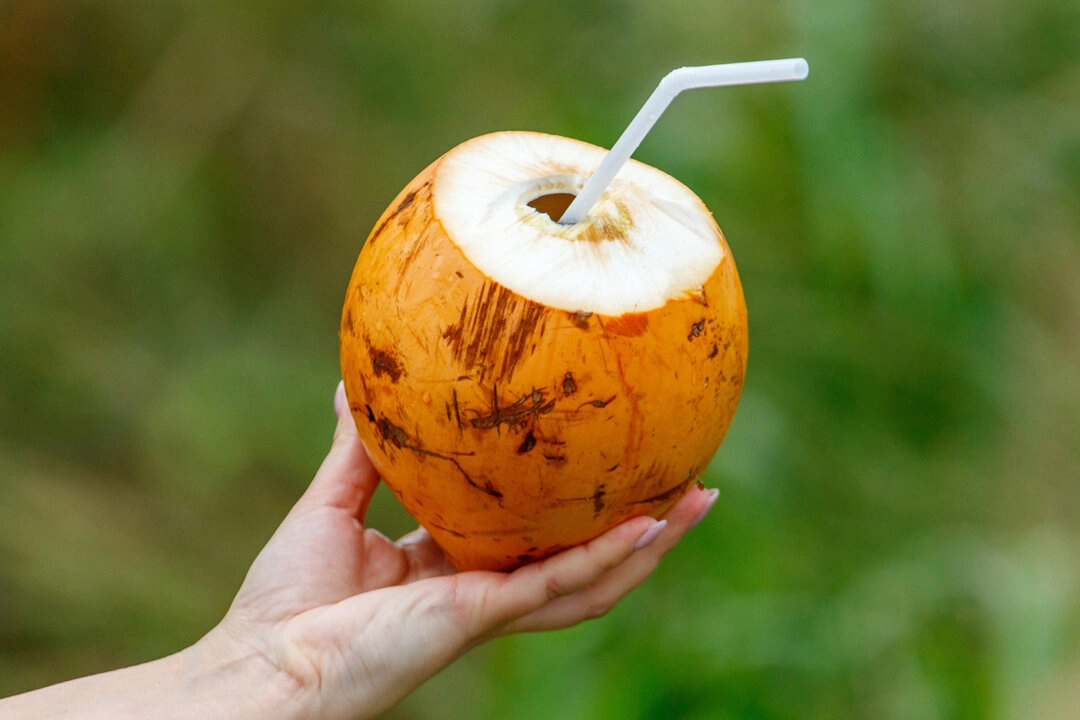
Nature’s Electrolyte Drink: Why Coconut Water Is So Hydrating |
|
“Coconut water is one of nature’s best natural hydrators,” Dr. Saurabh Sethi, a gastroenterologist and hepatologist, told The Epoch Times.
The key lies in electrolytes. Coconut water naturally contains potassium, magnesium, and small amounts of sodium—minerals that help maintain fluid balance, support muscle function, and promote heart health.
The potassium in coconut water can help counterbalance sodium—which many Americans eat and drink excessive amounts of—and improve blood pressure.
The magnesium in coconut water improves muscle contractions and helps prevent cramps and fatigue.
Intense sweating—particularly in the heat or humidity, after a lot of movement bundled up in layers outside, or after lengthy exercise—can be a signal to replace lost electrolytes with coconut water.
For optimal effectiveness, adding a pinch of salt to coconut water when using it for rehydration can help, since sodium is quickly depleted during dehydration, and coconut water naturally contains relatively little.
High potassium can be an issue for those with advanced kidney disease or heart failure, making coconut water a concern but not necessarily forbidden. Those patients can check with their doctors. (More) |
|
Thank you for reading 🙏
Have a wonderful day!
|
|
|
|
Copyright © 2026 The Epoch Times, All rights reserved. Our mailing address is: The Epoch Times. 129 West 29th Street, Fl 8, New York, NY 10001 | Contact Us
|