| Libraries do far more than store books. For thousands of years, they have safeguarded laws, preserved literature, fueled innovation, and protected the hard-won knowledge of entire civilizations. Long before modern public libraries opened their doors, ancient societies were already building remarkable centers dedicated to collecting and preserving the written word.
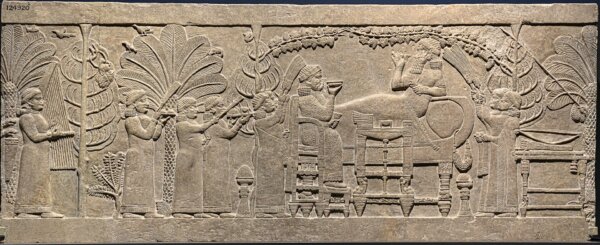
These ancient cultures approached the challenge of safeguarding knowledge differently. In the Hittite capital of Hattusa, thousands of clay tablets recorded everything from legal codes to diplomatic correspondence, including one of history’s earliest surviving peace treaties. In Assyria, King Ashurbanipal assembled an extraordinary archive that preserved priceless works such as the Epic of Gilgamesh, ensuring that some of humanity’s oldest stories would survive the centuries.
The legendary Library of Alexandria, whose scholars sought to collect and study the world’s knowledge, helped shape the foundations of the Western literary tradition. In nearby Pergamum, competition with Alexandria inspired innovations in bookmaking that eventually led to the development of parchment and the codex—the ancestor of modern books.
Rome’s first public library transformed access to learning. By opening its collections to ordinary citizens and hosting public literary events, it helped establish a model that influences libraries today.
Though all of these ancient institutions eventually disappeared through war, neglect, or the passage of time, their impact remains profound. The texts they preserved shaped history, literature, law, and education for generations to come. They show that civilization depends not only on creating knowledge, but also on protecting it. The story of these ancient libraries is ultimately the story of humanity’s effort to remember, learn, and pass on wisdom.
|