|

|
Read Online | November 1, 2025 |
How a Nutritionist Drinks Coffee for Health |
|

|
(Alto/Frederic Cirou/Getty Images) |
|
Nutritionist Sheridan Genrich enjoys coffee for more than its aroma and morning lift.
Recent research highlights that coffee, when taken strategically, can slow biological aging, protect the heart, reduce diabetes risk, and even support gut health. Here’s the crucial factor: Benefits largely depend on how you drink it and the type you choose. (Read more)
|
|
|
☀️ Thank you for reading Wellness, a subscriber-only newsletter. |
|

|
Matthew Little Senior Health Editor |
|
I’d like to hear from you - wellness@epochtimes.nyc |
|
🏥 Health News |
Common Drug Combo May Raise Seizure Risk in Nursing Home Residents, Study Finds |
|
A common mix of medications prescribed in nursing homes may raise the risk of seizures in older adults, according to a new study.
The study, published in Neurology, the journal of the American Academy of Neurology, analyzed prescription and health records from more than 70,000 long-term care residents.
About one in five nursing home residents who took tramadol with certain antidepressants—such as Prozac, Wellbutrin, and similar medications—had a seizure within a year. That’s more than 10 times the risk typically seen in this population. (More) |
|
More Health News:
|
|
💤🛌😴Sleep |
|
|
(Bricolage/Shutterstock) |
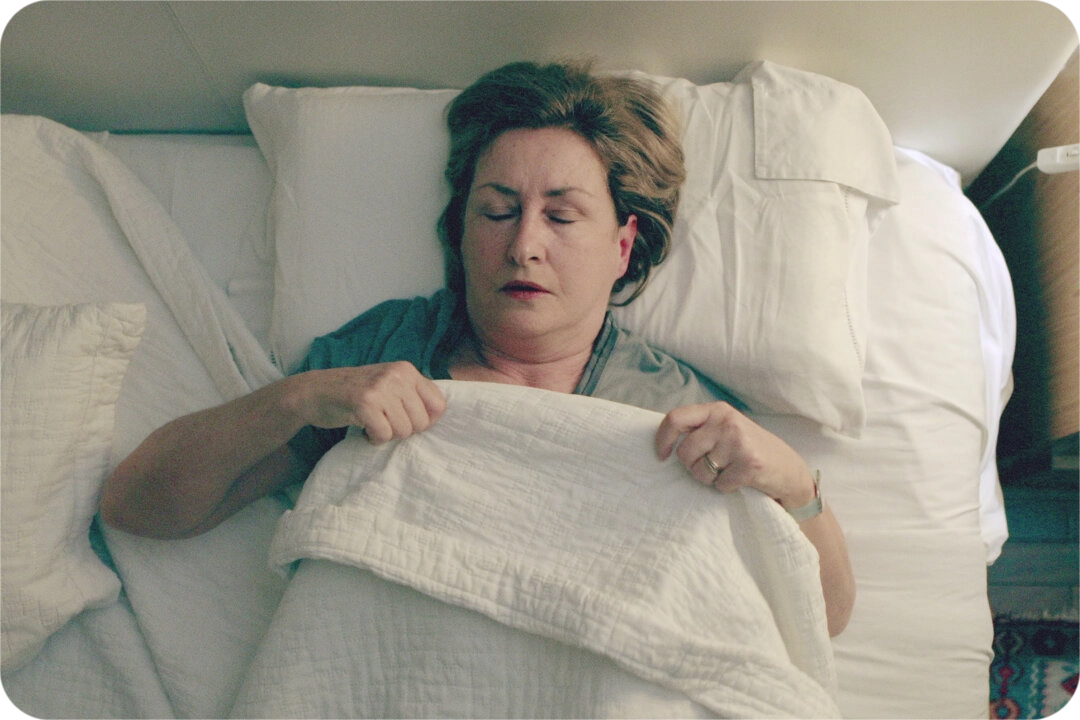
Scientists Identify 5 Types of Sleep Patterns–Each Affects Your Brain Differently |
|
Researchers used brain scans and questionnaires to analyze 770 healthy young adults and found four distinct groups of poor sleepers—people that take a long time to fall asleep, wake up frequently, and feel tired in the day.
Profile 1: The Ruminators The most dominant pattern—at 88 percent—linked general sleep disturbances with poorer mental health. These people showed higher rates of depression, anxiety, physical stress symptoms, and difficulty managing negative emotions such as fear, anger, and frustration.
Profile 2: The Resilient Distressed These people have no sleep problems except difficulty focusing during the day. This group also tended to experience stress and high psychological distress and struggled with negative emotions similar to those in Profile 1.
Profile 3: The Medicated Sleepers This group used sleeping pills. A characteristic of sleeping pill users is that they tend to perform worse on tasks testing visual memory and emotion recognition—suggesting medications may have subtle cognitive trade-offs.
Profile 4: The Sleep-Deprived Getting fewer than six to seven hours nightly, these short sleepers showed slower thinking across multiple cognitive domains, including reading and responding to emotions, resisting impulsive choices, processing language, solving new problems, and interpreting social cues.
Profile 5: The Fragmented Sleepers Marked by repeated awakenings from pain, temperature changes, breathing issues, or bathroom trips, this group showed higher rates of substance use, irritability, and poorer mental health overall. (More) |
|
☀️ A Few Good Things |
|
|
🔬 Premium Article of the Week 👇 |
|
|
(Illustration by The Epoch Times, Shutterstock) |
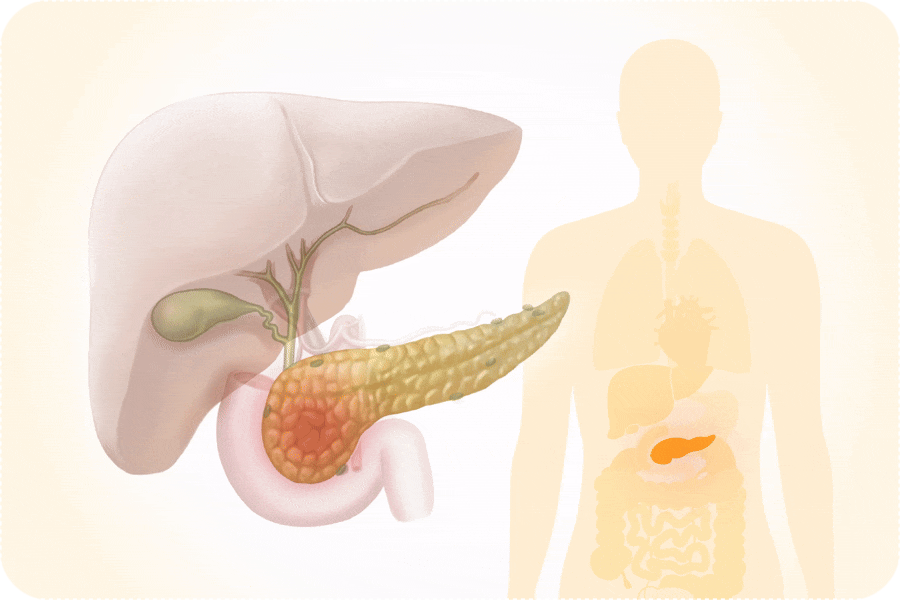
Pancreatic Cancer: A Silent and Deadly Cancer–Signs to Watch For |
|
🍊 Supplements & Nutrition |
|

|
(IvanMel/Shutterstock) |
Vitamin D2 Supplements May Deplete More Effective Vitamin D3 |
|
Millions of people taking vitamin D2 supplements to boost their health may be inadvertently depleting their body’s stores of the more potent form of the vitamin, according to recent research from the University of Surrey.
Vitamin D2 and D3
There are two main types of vitamin D supplements available: vitamin D2 and vitamin D3, with D3 considered the more effective form. Vitamin D2 can only be obtained through diet and supplementation, while vitamin D3 is both available in supplements and naturally synthesized in the skin when exposed to sunlight.
Additional Benefits
While both forms play crucial roles supporting the kidneys, intestines, and bones, only vitamin D3 appears to stimulate the body’s type I interferon signaling system, a key part of the immune system that provides first-line defense against bacteria and viruses.
Why the Loss?
While the exact reason is unclear, it appears that as the body senses higher levels of either form of vitamin D in the body, it breaks down both forms already stored, indiscriminately losing the more beneficial form. The study showed that people who took vitamin D2 had lower levels of vitamin D3 in their blood compared to those who did not take it. (More) |
|
Thank you for reading 🙏
Have a wonderful day!
|
|
|
|
Copyright © 2025 The Epoch Times, All rights reserved. Our mailing address is: The Epoch Times. 229 W. 28 St. Fl. 7 New York, NY 10001 | Contact Us
|