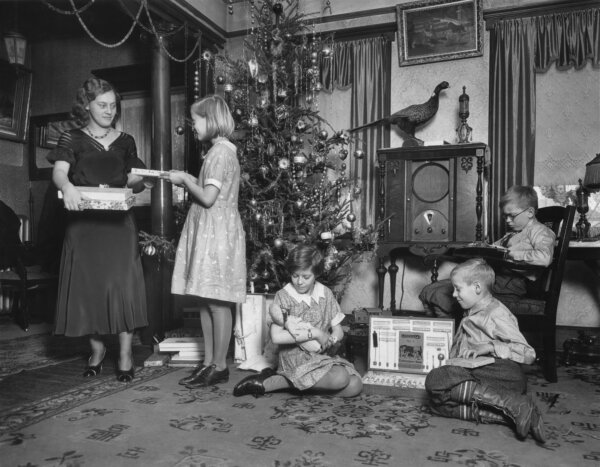
| Before television, Christmas magic first traveled along the airwaves. During the Golden Age of Radio—from the 1920s through the 1950s—families, soldiers, and communities across continents could share in stories, songs, and celebrations without leaving home. Radio transformed not just entertainment but the very way people experienced the holiday season, turning broadcasts into events that were both communal and intimate.
The magic began in 1906 with inventor Reginald Fessenden's first radio broadcast. By the 1920s, radios were becoming household staples, and Christmas programming grew into a national phenomenon. Some broadcasts read Dickens’s "A Christmas Carol" to listeners, while King George V and President Franklin Roosevelt used radio to deliver their inaugural Christmas messages. Ties between communities and continents tightened as radio began bridging geographical, cultural, and political divides.
During World War II, radio’s power to unite became even more evident. Special broadcasts reached soldiers abroad and families on the homefront, offering hope and a sense of closeness even in the midst of conflict. Shows like “Christmas Eve at the Front” took listeners to battlefields around the world, creating vivid, multi-sensory experiences that combined news, music, and heartfelt storytelling. Later broadcasts, such as a 1947 live radio reunion of a hospitalized Navy sailor with his family, highlighted the medium’s ability to blend technology, emotion, and human connection in ways that still resonate today.
This history reveals how radio shaped the way Americans—and people around the world—celebrated Christmas, offering not just entertainment but companionship, hope, and the comforting sense that no one was ever truly alone during the holidays.
|