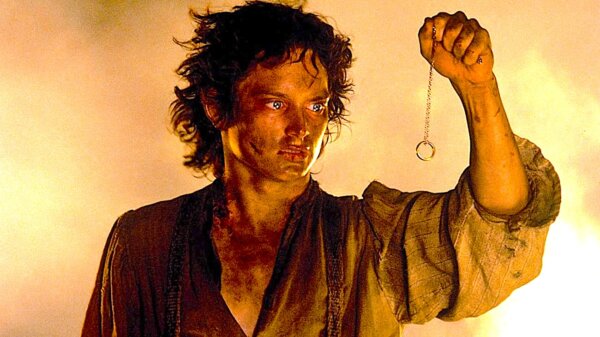
| This January, "The Lord of the Rings" returns to theaters, offering audiences a chance to revisit one of the most enduring cinematic achievements of the past quarter century. Peter Jackson’s trilogy, adapted from J.R.R. Tolkien’s novels first published in the 1950s, is more than a fantasy spectacle. It's a modern epic rooted in age-old ideas about temptation, sacrifice, freedom, and the cost of moral choice.
The re-release invites reflection. Why does Tolkien’s story continue to resonate so powerfully? Though not overt, beneath the elves, hobbits, and battles lies a spiritual journey that places "The Lord of the Rings" alongside works such as "The Odyssey" as a Western tale of enlightenment. Central to that journey is the One Ring—an object of absolute power that promises mastery even as it slowly enslaves its bearer. Tolkien’s warning about corruption, addiction, and the seduction of control feels strikingly contemporary, particularly with our modern, digital distractions.
Jackson and his writing team translated Tolkien’s vast mythology into films that remain visually rich without losing their moral center. Each character—from Gandalf’s steady wisdom to Boromir’s tragic weakness—embodies a different response to power, duty, and fear.
The craftsmanship behind the trilogy also deserves some attention—its casting, performances, and visual effects helped redefine what literary adaptations could achieve. The film series' extensive awards and cultural impact speak to the universal appeal of the story.
As the trilogy returns to the big screen in January 2026, it might be worth reflecting on why audiences keep coming back to Middle Earth—and why Tolkien’s meditation on freedom and moral responsibility remains as relevant as ever.
|