| At the turn of the 20th century, America grappled with an urgent question: What does it mean to be an American in a nation beset by mass immigration, rising labor unrest, and ideological upheaval?
Between 1880 and 1924, more than 25 million immigrants arrived in the United States, reshaping cities, workplaces, and culture. For many Americans, the promise of the “city on a hill” seemed fulfilled—to a breaking point. Government officials voiced concern over the language barriers, limited education, and questionable loyalties among the immigrants pouring into the country.
At the same time, the labor movement was gaining momentum and becoming increasingly volatile. Influenced in part by international socialist and anarchist ideologies, unions organized strikes that often escalated into confrontations. The turning point was the 1886 Haymarket Affair in Chicago, in which a rally for the eight-hour workday ended in violence and deaths on both sides. It intensified fears of radicalism and left a lasting imprint on American political consciousness.
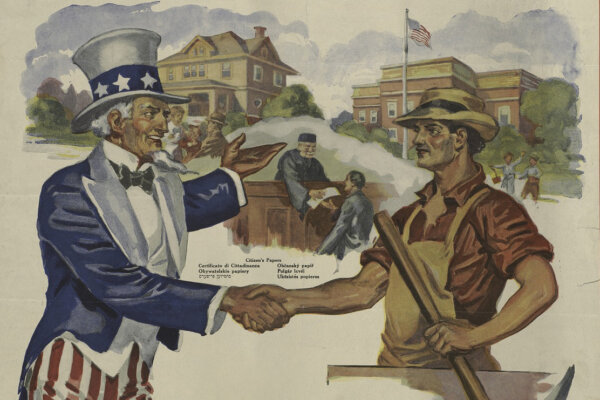
Out of this climate emerged the Americanization Movement. Led by civic organizations and government committees, it sought to promote English language instruction, share civic ideals, and create a unified national identity among immigrants and native-born citizens alike. Schools, churches, and employers all became part of this broad effort to integrate newcomers into American life.
In 1921, this movement gave rise to Americanization Day, deliberately timed on May 1 to counter international May Day celebrations associated with socialist and communist movements. Over the decades, the observance evolved into what we now know as Loyalty Day, officially recognized by Congress and reaffirmed by successive presidents as a day of reflection on civic allegiance and constitutional ideals.
This is the story of how labor unrest, global revolutions, and immigration pressures converged to shape one of America’s most unique—and often overlooked—patriotic observances.
|